Methodology
How scoring works — in plain language
Transparency is a core Stoic value. This page explains exactly how SageReasoning calculates your scores, where those criteria come from, and what the numbers mean.
The philosophical foundation
SageReasoning is based on Stoic virtue ethics — the idea that the only true good is virtue, and that flourishing comes from living in accordance with reason and nature, guided by the four cardinal virtues.
Our scoring criteria are derived from primary Stoic texts, all in the public domain.
The Stoic Brain data
We encoded Stoic philosophy into a structured data file called the Stoic Brain. It defines:
- The four cardinal virtues and their unified assessment criteria
- 16 sub-virtues (four per cardinal virtue)
- Preferred and dispreferred indifferents (health, wealth, reputation, etc.)
- Scoring criteria for each virtue at each level
- The katorthoma proximity level definitions
The katorthoma proximity scale and the Five Stages of Practice are the project’s constructs on the Stoic distinction between the appropriate act and the perfectly virtuous act. The ancient texts give two categories — sage and non-sage — and three grades of progress toward wisdom (Seneca, Epistulae 75). The scale and the stages are the project’s realisation of those categories as a practical instrument.
The Stoic Brain framework overview is available at /api/stoic-brain with full scoring provided through the API. See the licence for terms.
The four cardinal virtues
Each action is assessed against all four virtues as expressions of one unified excellence, not scored independently. This reflects the Stoic doctrine of the unity of virtue:

What is genuinely good, bad, and indifferent

What is owed to others — distributing to each their due

What is genuinely fearful and what is not

What to choose and what to avoid — ordering impulse and desire
Proximity levels
V3 evaluates your reasoning through a four-stage philosophical sequence and assigns a proximity level, measuring how close your thinking aligns with the Stoic sage ideal. Each level has a Stage of Practice:

The Storm
reflexive

The Worn Path
habitual
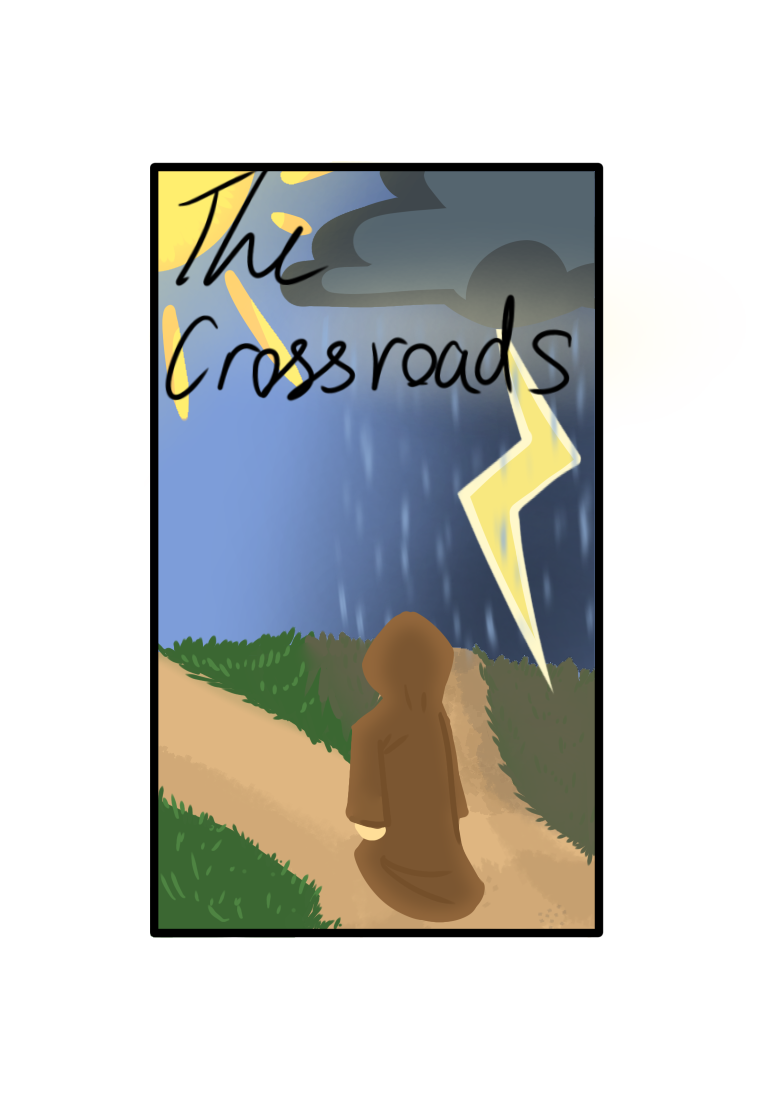
The Crossroads
deliberate

The Clear Summit
principled

The Inner Fire
sage_like
| Proximity level | What it means |
|---|---|
| sage_like | Self-assessment demonstrates extraordinary philosophical depth — identifies all relevant passions, false judgements, and virtue domains with precision |
| principled | Strong philosophical reasoning — correctly identifies most passions and applies the 4-stage evaluation with only minor gaps |
| deliberate | Adequate self-awareness — recognises some passions and applies basic Stoic framework, but misses subtleties |
| habitual | Minimal philosophical engagement — relies on surface-level reflection without genuine passion diagnosis |
| reflexive | No meaningful self-examination — responses show no awareness of passions, false judgements, or prohairesis |
The V3 evaluation applies a unified philosophical framework: prohairesis filter → kathekon assessment → passion diagnosis → unified virtue assessment
The V3 four-stage evaluation sequence
V3 evaluates actions through a structured philosophical framework with four stages:
- Prohairesis filter: What is within your moral choice? What lies outside it?
- Kathekon assessment: Is this action appropriate to your role and station?
- Passion diagnosis: Which passions, false judgements, or preferred indifferents distorted your reasoning?
- Unified virtue assessment: How close does this thinking come to the sage ideal?
The four virtues — practical wisdom, justice, courage, and temperance — are assessed as expressions of one unified excellence, not scored independently. This reflects the Stoic doctrine of the unity of virtue.
Evaluation workflow
When you submit an action, document, or post for scoring, the following happens:
- Your text is sent to Claude (Anthropic’s AI) along with the V3 evaluation criteria.
- Claude evaluates your text through the 4-stage sequence and assigns a proximity level from reflexive to sage_like.
- Claude generates explanatory reasoning for the assessment, identifying passions and false judgements where present.
- Results are returned and stored in your history.
See our AI Transparency Statement for details on limitations and how to challenge a score.
What scores don’t measure
Stoic virtue scoring is explicitly not:

- A measure of your worth as a person
- A measure of your intelligence or competence
- A personality assessment or psychological profile
- A measure of outcomes (a Stoically virtuous action may still result in a poor outcome — that is not within our control)
The Stoics held that virtue is entirely within our control, and that outcomes are not. A proximity level of “habitual” on one action does not mean you are a bad person — it means there may be room to reflect on how virtue could guide that type of action more fully.
Questions about methodology? Contact us