Image Glossary
Every image the site uses, gathered in one place as reference material — the virtues, the Five Stages of Practice, Mirror, the twenty passion logos, and the three rational good feelings that replace them.
Virtues & Personas

Practical Wisdom
What is genuinely good, bad, and indifferent

Justice
What is owed to others — distributing to each their due

Courage
What is genuinely fearful and what is not

Temperance / Self-Mastery
What to choose and what to avoid — ordering impulse and desire

Zeus
Represents the Sage — reflection and mentorship within the practice.
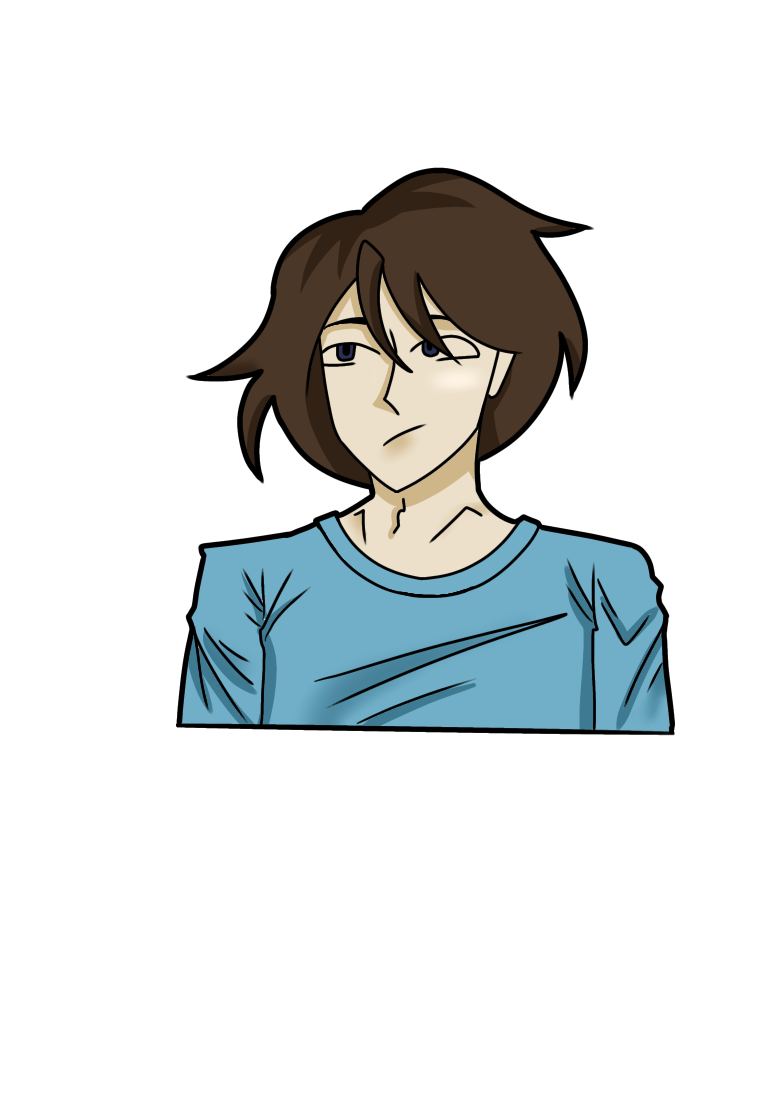
Human
Seeking a Stoic decision-making framework to prompt virtuous action in daily life.

AI Agent
Seeking virtue-based internal reasoning grounded in a structured Stoic framework.

Developer
Integrating Stoic reasoning into AI systems via a structured API and data reference.
The Five Stages of Practice
Not a fixed ladder — shown here as reference material, whether or not you have reached them yet.
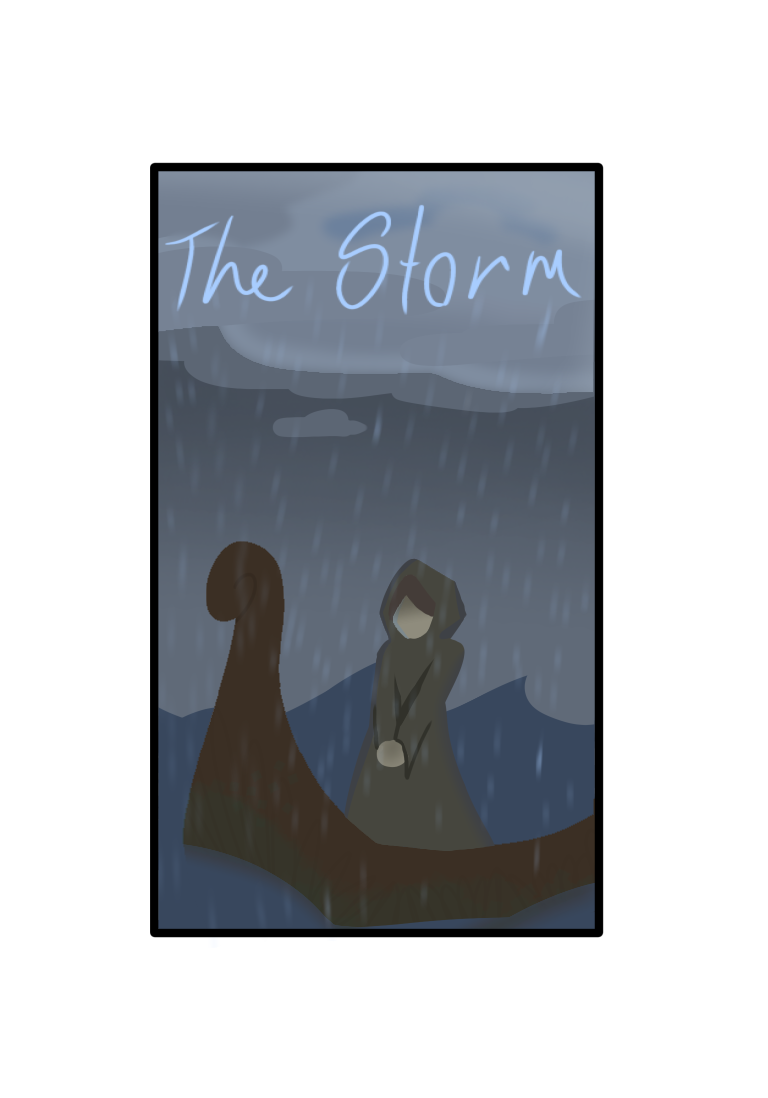
The Storm
Everything is chaotic and uncontrolled — action from pure impulse, with no deliberation.

The Worn Path
Following someone else's footsteps, not choosing your own direction — action from convention or habit, not from understanding.
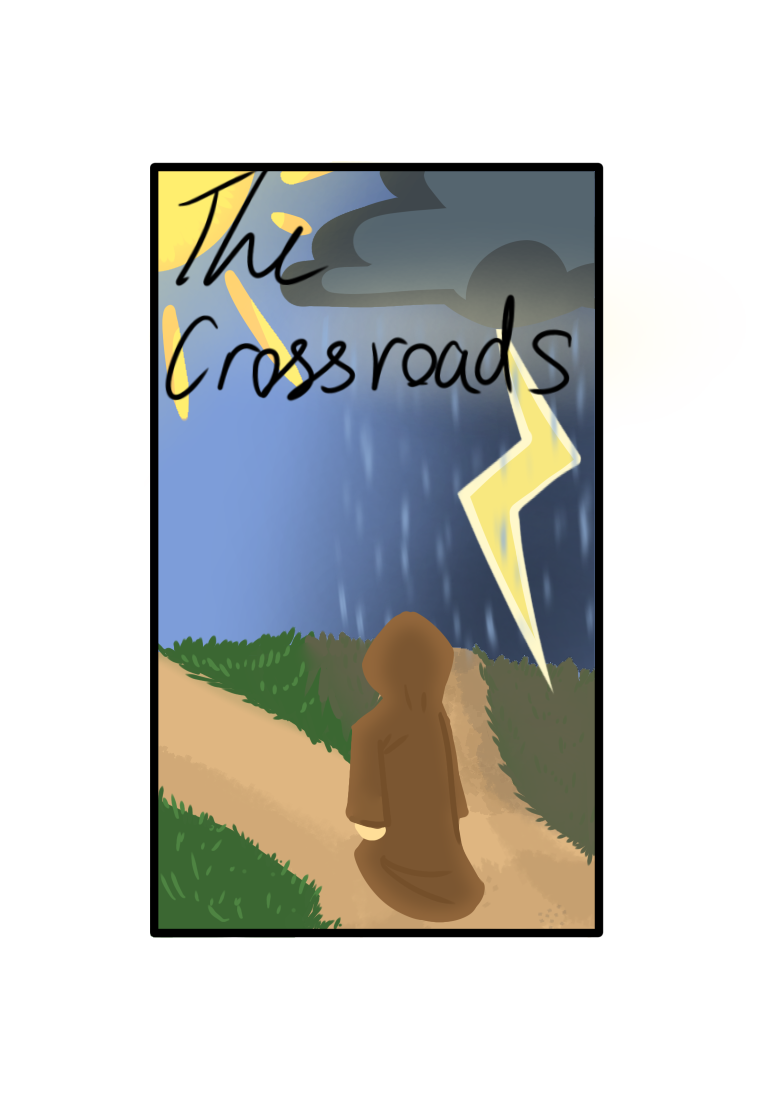
The Crossroads
Conscious reasoning at a point of choice — passion partially checked but still operative.

The Clear Summit
Stable commitment to virtue, with strong understanding and minimal passion — approaching sage-like quality.

The Inner Fire
Perfected understanding and unified virtue — complete freedom from destructive passion.
Mirror

Represents the principle that the evaluation scores what the reasoning is, not what the person is worth — an honest self-reflection, not a measure of your worth as a person.
Passion Logos
The 20 sub-species passions, grouped by the four root passions.
Craving / Irrational Desire
Irrational reaching toward an apparent future good that is not genuinely good.

Anger (orge)
Craving for revenge on one who seems to have wronged you

Erotic Passion (eros)
Craving for sexual union not based in virtue
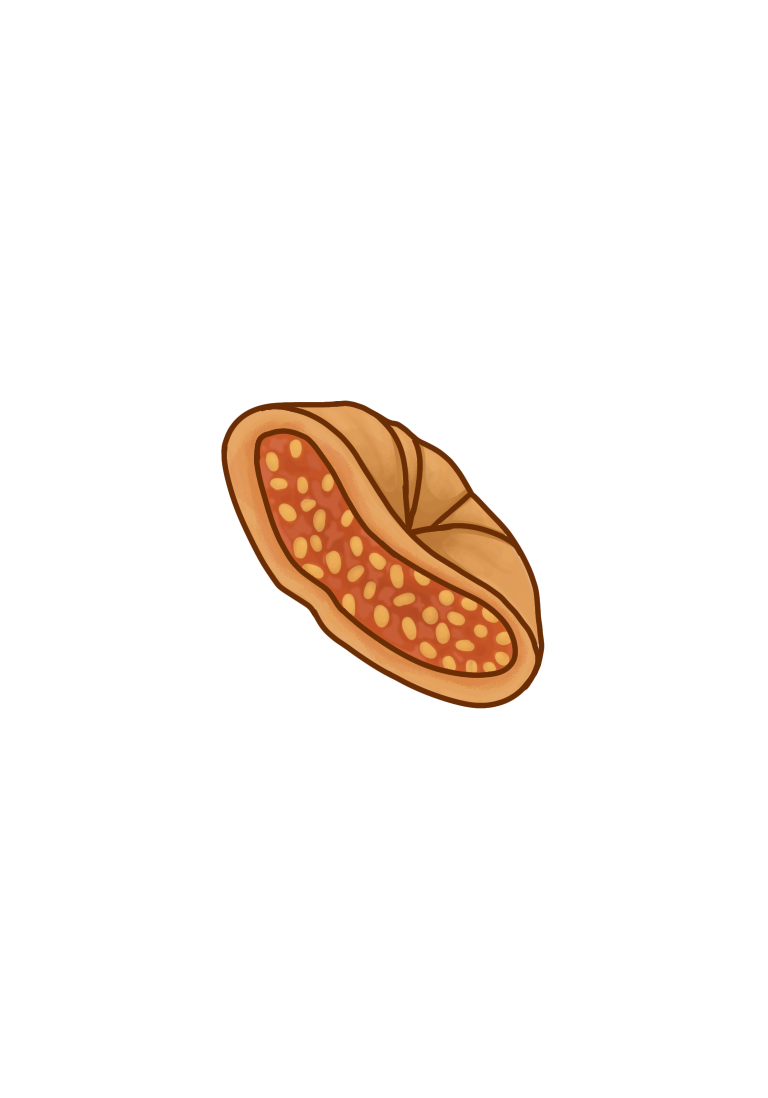
Longing (pothos)
Craving for something absent

Love of Pleasure (philedonia)
Craving for bodily pleasure as an end
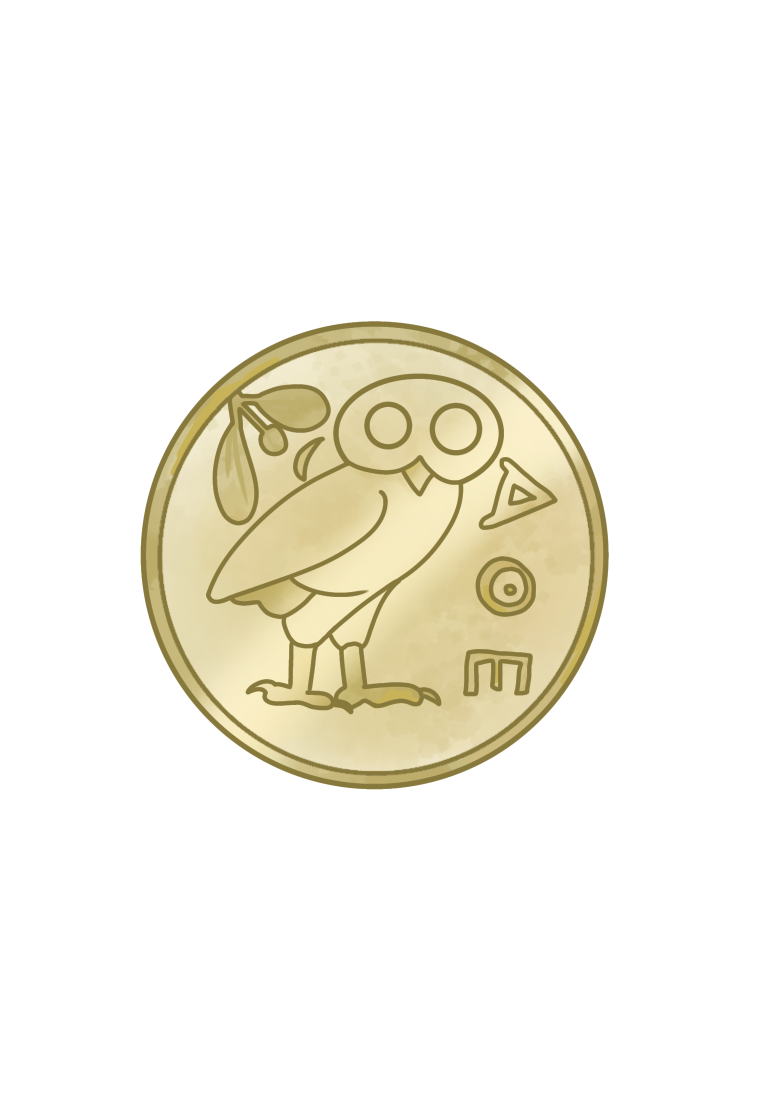
Love of Wealth (philoplousia)
Craving for wealth as an end
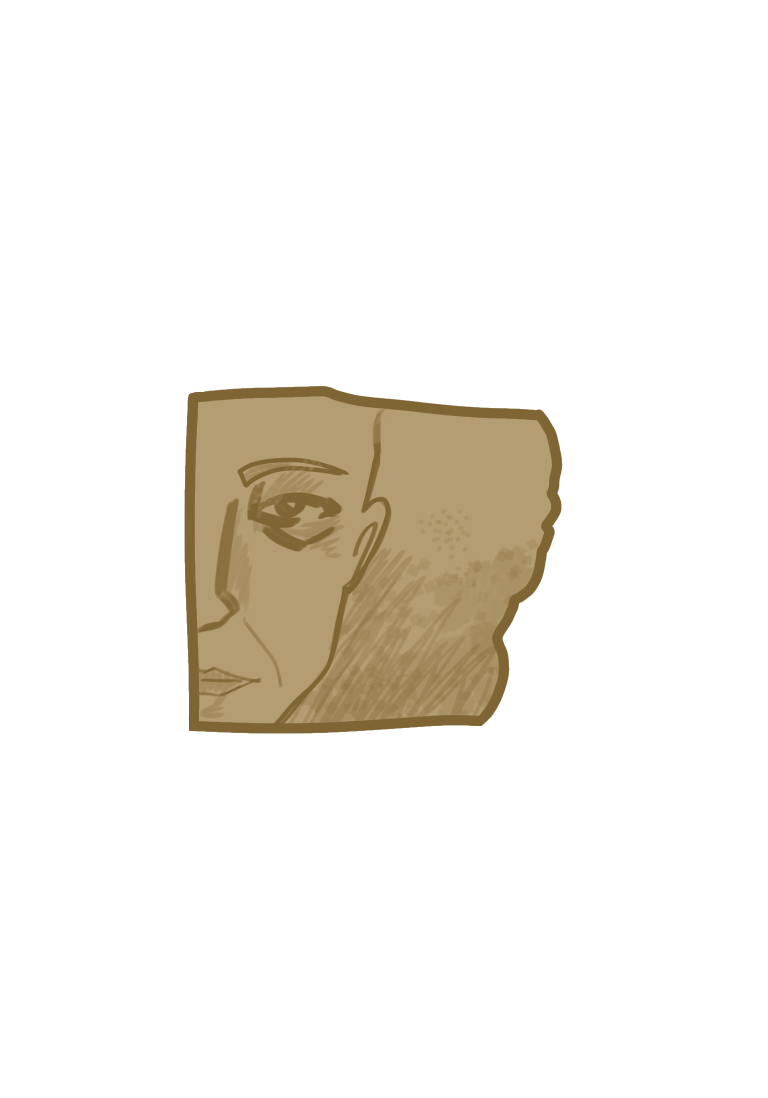
Love of Honour (philodoxia)
Craving for reputation as an end
Irrational Pleasure
Irrational elation at an apparent present good that is not genuinely good.
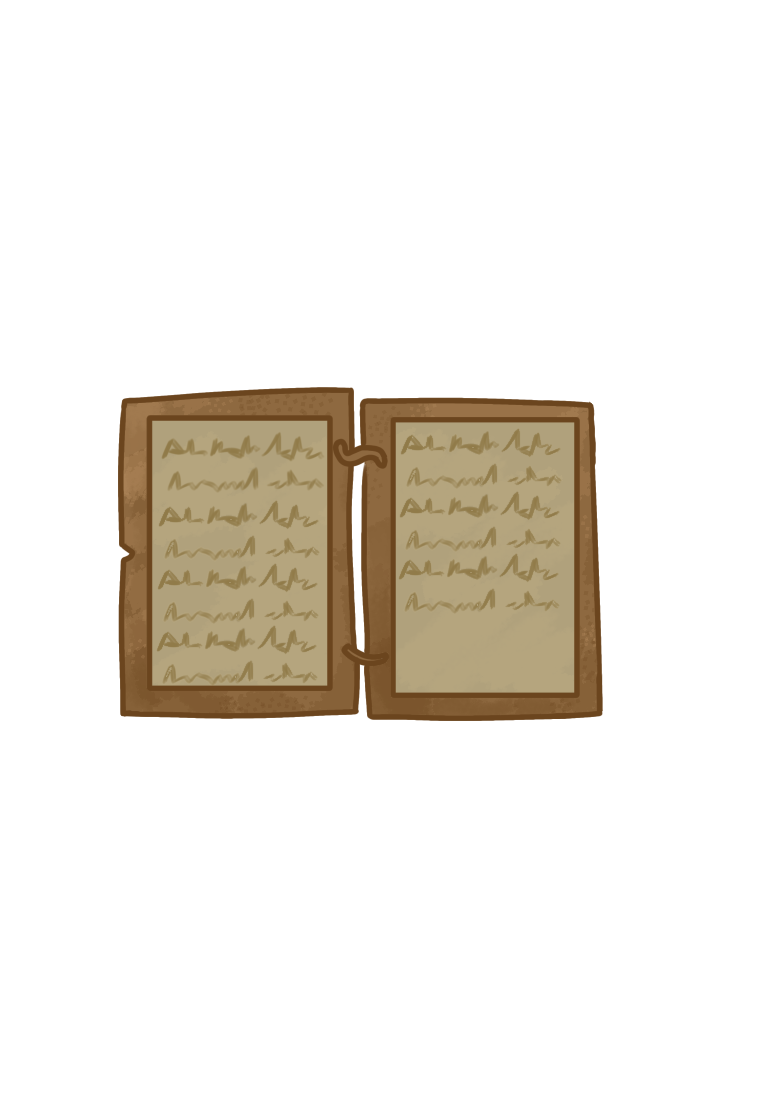
Enchantment (kelesis)
Pleasure that captivates through the senses
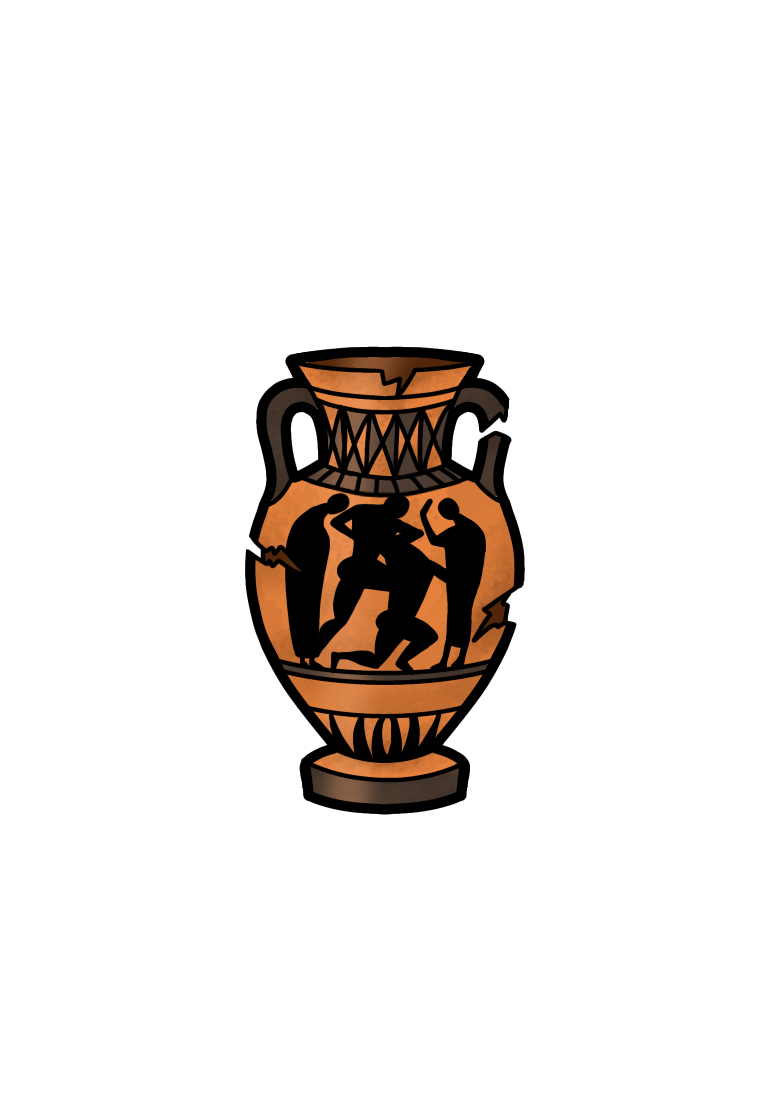
Malicious Joy (epichairekakia)
Pleasure at another's misfortune

Excessive Amusement (terpsis)
Pleasure that dissolves seriousness
Fear / Irrational Shrinking
Irrational avoidance of an apparent future evil that is not genuinely evil.
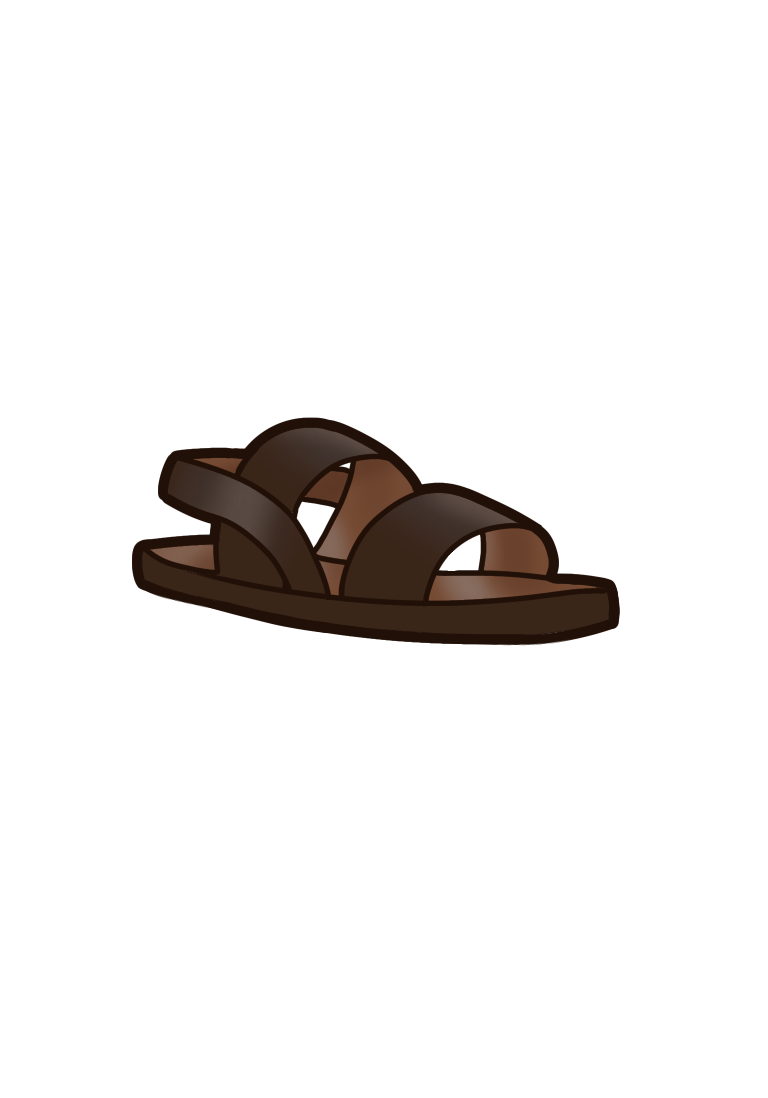
Terror (deima)
Fear that produces paralysis

Timidity (oknos)
Fear of future effort or exertion

Shame (aischyne)
Fear of ill-repute
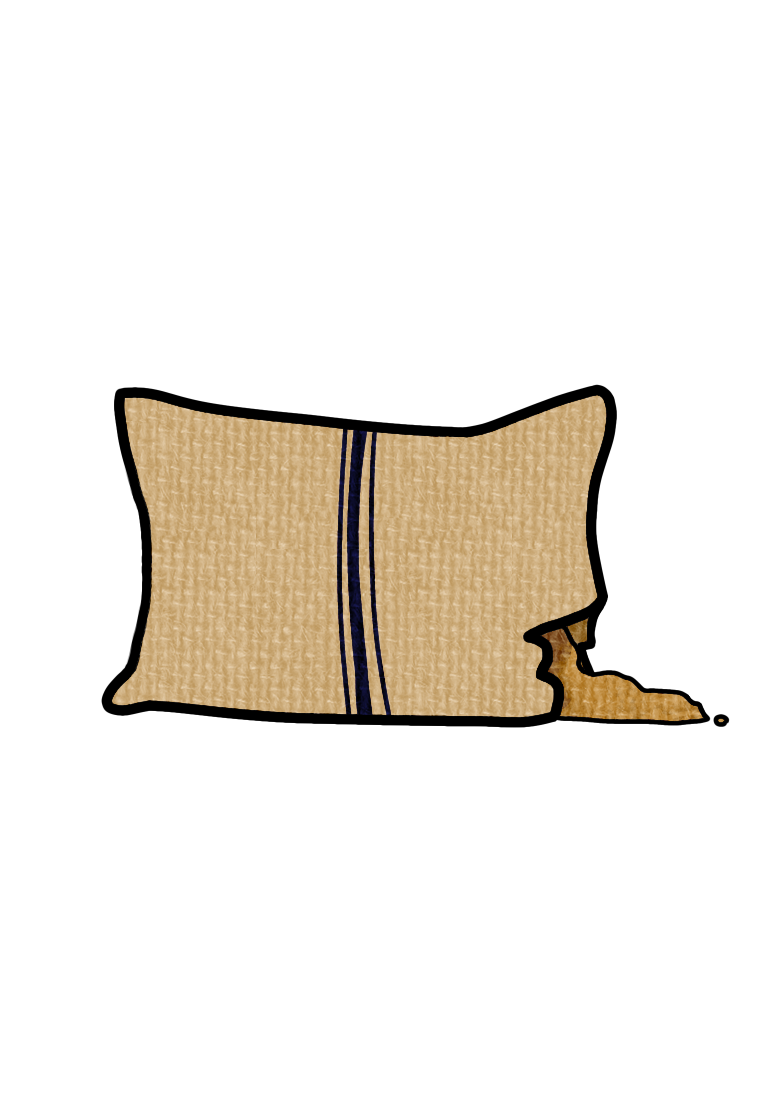
Dread (thambos)
Fear produced by the representation of an unfamiliar thing
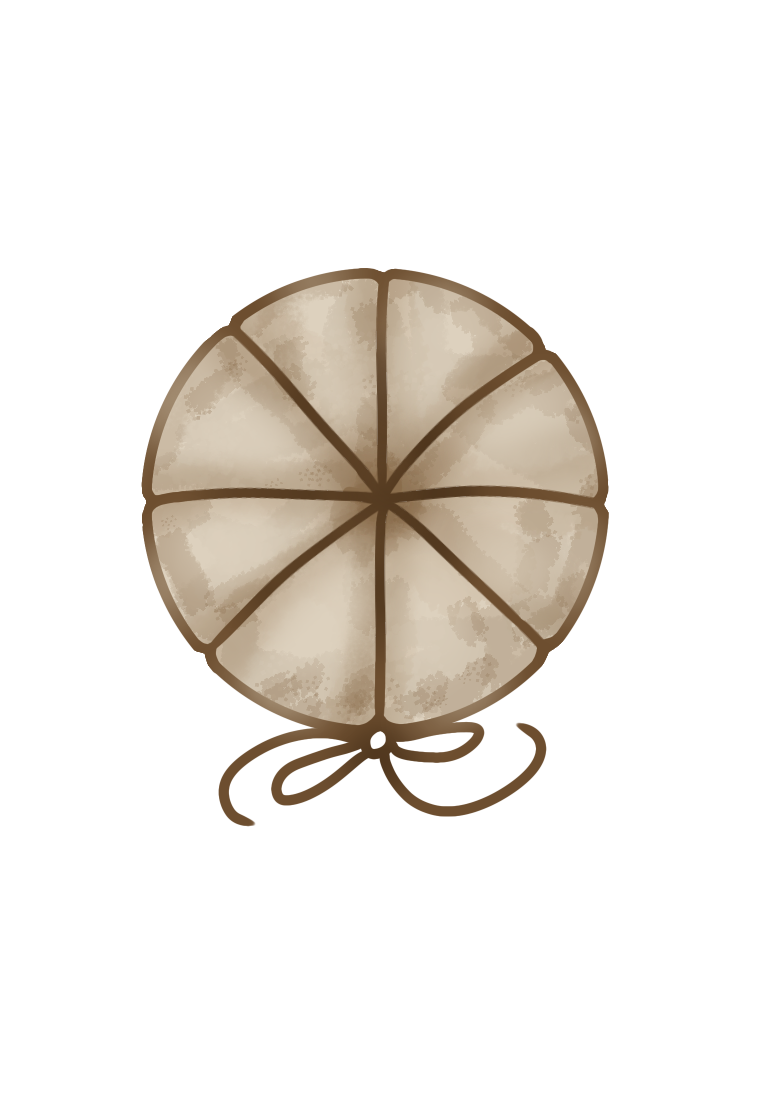
Panic (thorybos)
Fear accompanied by vocal disturbance

Agony (agonia)
Fear of an uncertain outcome
Distress / Irrational Pain
Irrational contraction at an apparent present evil that is not genuinely evil.

Pity (eleos)
Distress at another's undeserved suffering — misidentifies an indifferent as evil
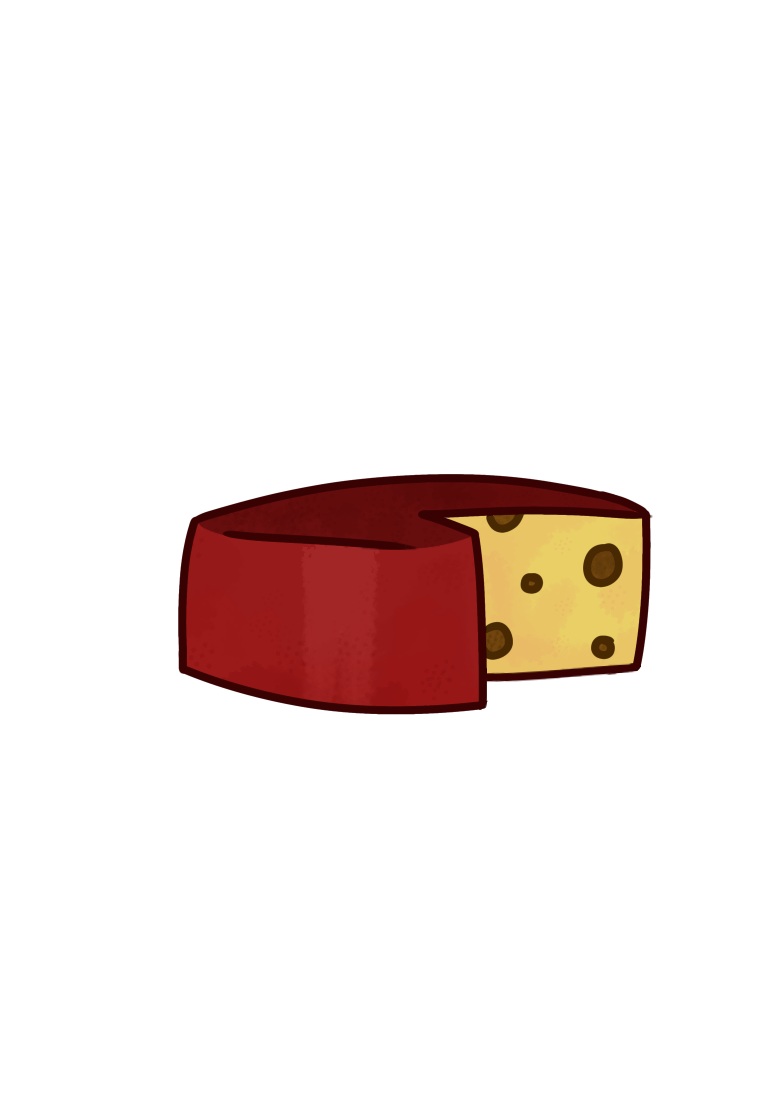
Envy (phthonos)
Distress at another's good fortune
Jealousy (zelotypia)
Distress that another possesses what one desires
Grief (penthos)
Distress at loss, especially of a person

Anxiety (achos)
Distress that weighs on the mind without clear object
Rational Good Feelings
The eupatheiai — what each passion becomes once the judgement underneath it is corrected. They are not the absence of feeling but its rational form.

Joy / Rational Gladness
chara
Rational gladness at what is genuinely good — virtue and right action.
Replaces hedone (irrational pleasure)
A stone basin holds still water — gladness that rests in what is genuinely good, rather than the restless pleasure that chases it.

Rational Wish
boulesis
Rational desire directed at what is genuinely good — wanting virtue and the welfare of others from correct understanding.
Replaces epithumia (craving)
The extended palm turned upward is a gesture of both giving and receiving — wanting the good, for oneself and others, with an open rather than a grasping hand.
Rational Caution
eulabeia
Rational avoidance of what is genuinely evil — vice. Not fear, but principled refusal to participate in what is truly harmful.
Replaces phobos (fear)
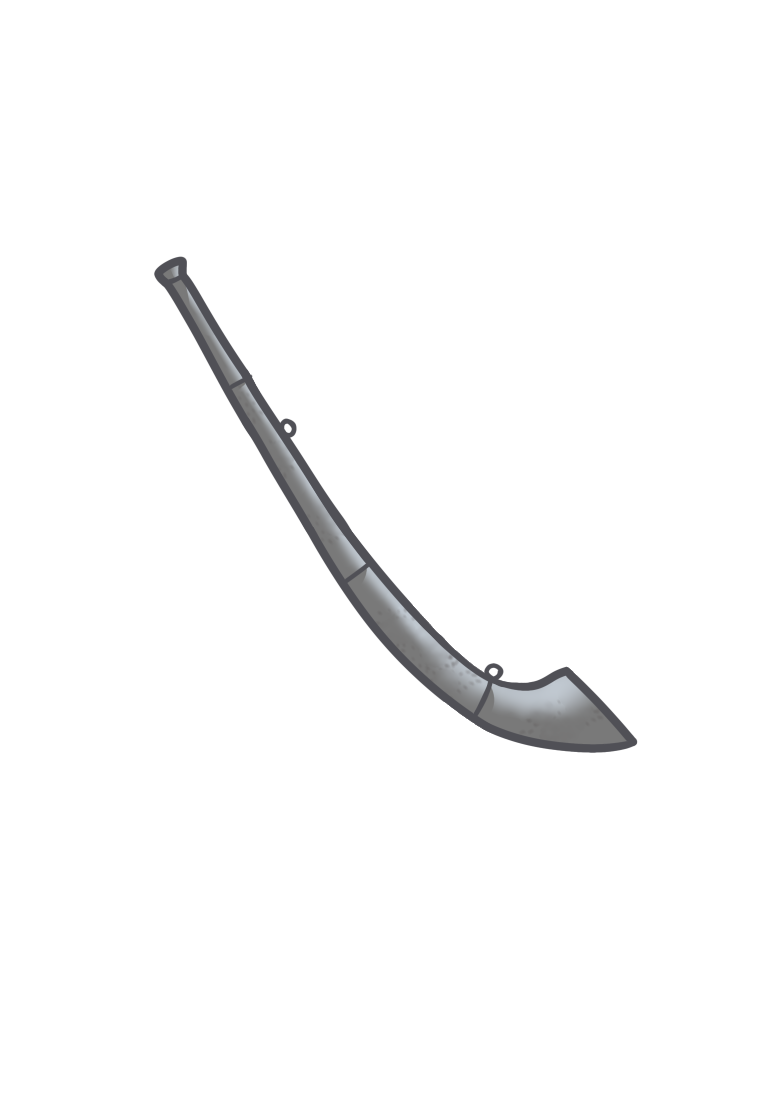
The lituus is the augur’s instrument for marking boundaries — caution as a drawn line you decline to cross, not as fear of what lies beyond it.
There are only three. Distress (lupe) has no rational counterpart — the Stoic claim is that nothing genuinely evil befalls a person reasoning well, so there is nothing for a rational distress to be about. The absence is the doctrine, not a gap in the set.